

Author name: cricseo_adm

Session Betting in Cricket – How to Master It on My99Exch, My99exch, My99exch New ID
Cricket

Master Session Betting in Cricket: A Complete Guide for My99Exch Users

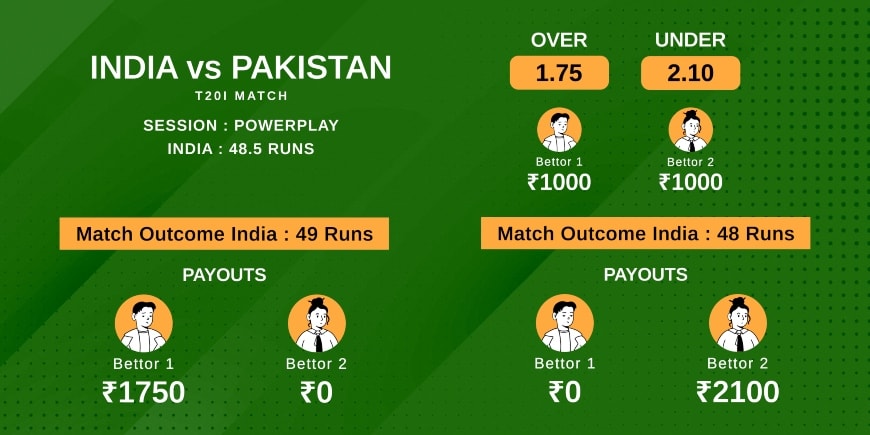
Introduction Cricket, with its multifaceted formats and variable match conditions, offers a fertile ground for session betting—a style of wagering that focuses on short, defined periods within a game rather than the final outcome alone. For bettors seeking a blend of statistical depth and rapid decision‑making, mastering session betting can unlock a steady stream of profits. This article provides a step‑by‑step roadmap on how to excel at session betting in cricket, with particular emphasis on the tools and community that the My99exch platform provides. Whether you are a seasoned punter or a newcomer eager to transform data into dollars, the principles outlined here will equip you with the knowledge, discipline, and tactics necessary to thrive. What Is Session Betting? Session betting divides a cricket match into discrete intervals—commonly the first 10 overs, the middle 20 overs, and the final 10 overs in limited‑overs games, or day‑by‑day phases in Test matches. Instead of predicting the outright winner, you wager on the performance of teams or individual players within those windows. Typical markets include “Runs in the next 10 overs,” “Wickets in the next session,” or “Team total at the end of Day 2.” Because each session is influenced by a narrower set of variables (pitch condition, weather, and batting order), the odds often reflect a tighter range, giving skilled bettors the chance to exploit marginal edges that are harder to spot in full‑match markets. Why Session Betting Appeals to Smart Bettors 1. Higher Frequency of Opportunities: Every innings provides multiple betting windows, effectively multiplying the number of chances to place a successful wager. 2. Reduced Uncertainty: Shorter periods limit the impact of long‑term variables like a batting collapse or a rain‑affected result, allowing you to focus on immediate, observable factors. 3. Dynamic Odds: Live odds fluctuate rapidly as the session progresses, presenting opportunities for in‑play arbitrage and hedging. Understanding Cricket Session Structures Before you can place informed session bets, you must be intimately familiar with how sessions are defined across formats. In One‑Day Internationals (ODIs) and T20 leagues, bookmakers typically offer “Powerplay,” “Middle Overs,” and “Death Overs” markets. In Test cricket, sessions align with the traditional three‑hour blocks separated by tea and lunch. Each segment comes with its own tactical considerations: Powerplay (Overs 1‑10 in ODIs, 1‑6 in T20s): Fielding restrictions favor high strike‑rates; opening batsmen aim to capitalise, while bowlers focus on containment. Middle Overs (Overs 11‑40 in ODIs, 7‑15 in T20s): Teams consolidate, rotations and partnerships become crucial, and spinners often dominate. Death Overs (Overs 41‑50 in ODIs, 16‑20 in T20s): Aggressive batting, targeted bowling, and field‑setting adjustments define the final push. Key Metrics That Drive Session Outcomes Successful session betting hinges on the ability to quantify the variables that most influence a given window. Below are the primary metrics you should track and why they matter: Run Rate (RR) The average number of runs scored per over in a specific session. A sudden surge or dip in RR often signals a shift in strategy, such as a batting side transitioning from consolidation to acceleration. Wicket Frequency The average wickets taken per over during a session. Fast‑bowling attacks typically produce higher wicket frequencies in the Powerplay, while spin dominance in middle overs can lead to steady, strategic dismissals. Partnership Length Long partnerships can stall run rates, especially in middle overs, whereas frequent fall‑of‑wickets usually enhances the volatility of the betting market. Pitch and Weather Dynamics Even minor changes in moisture, dew, or cloud cover can dramatically affect swing, seam, and spin. Monitoring live weather feeds and ground reports is essential for adjusting your session forecasts. Preparing for a Session: Research and Pre‑Match Analysis Effective session betting is not a reactive activity – it begins long before the first ball is bowled. Use the following checklist to organise your pre‑match research: Team Line‑ups: Identify which batsmen open, who is likely to bat during the middle and death phases, and the bowling composition for each session. Player Form: Review recent performances in similar conditions. A spinner on a turning track for the middle overs can be a decisive factor. Ground History: Some venues consistently produce high‑scoring Powerplays while others favour bowlers throughout. Head‑to‑Head Statistics: Past encounters often reveal patterns, such as a particular team’s vulnerability to specific bowling styles. Injury Updates: Late‑scratching of a key bowler or batsman can swing the odds dramatically. Compiling this data into a concise “session sheet” enables you to compare your personal expectations against the market odds, highlighting where value exists. Bankroll Management: Protecting Your Capital Even the most thorough analysis cannot guarantee a win; variance is an inherent part of gambling. Therefore, applying disciplined bankroll management is non‑negotiable. Follow these guidelines: Staking Plan: Use a flat‑percentage model (e.g., 1‑2% of total bankroll per session bet) to minimise blow‑outs. Loss Limits: Set daily and weekly loss caps. If you hit the limit, step away and reassess. Profit‑Target Withdrawals: Regularly cash out a portion of profits to lock in gains and refresh your bankroll. Session‑Specific Allocation: Allocate a larger proportion of your stake to sessions where you have a distinct edge (e.g., a spin‑friendly middle session on a sub‑continental pitch). Leveraging My99Exch Tools for Session Betting The My99exch New ID system provides a suite of analytical dashboards that are especially useful for session betting. Features include: Live run‑rate trackers that break down scoring patterns by over. Wicket probability calculators that adjust in real‑time based on bowler fatigue and batsmen’s strike rates. Historical session‑performance filters allowing you to view how a team has fared in the Powerplay across the last 20 matches. Custom alerts that notify you when odds drift beyond your pre‑set thresholds. Integrating these tools into your workflow reduces the time spent on manual data collection and improves the precision of your edge identification. Winning Strategies for Different Sessions Powerplay Strategies Focus on teams with aggressive openers and a high strike‑rate in the early overs. Bet on “Runs in the next 10 overs” when the odds underestimate the impact of a short boundary or a

What is a Cricket Betting Exchange and How Does It Work?, My99exch, My99exch New ID
Cricket

What Is a Cricket Betting Exchange and How Does It Work? – Complete Guide

Introduction to Cricket Betting Exchanges Cricket is more than a sport; it’s a global passion that fuels a massive betting market. While most bettors are familiar with traditional bookmakers, a newer concept has gained traction among seasoned punters: the betting exchange. Unlike a bookmaker that offers fixed odds, a betting exchange creates a marketplace where users bet against each other. This peer‑to‑peer model reshapes the way odds are set, how profits are made, and the level of control each bettor has over their wagers. In this article we will unpack the definition of a cricket betting exchange, examine the mechanics that keep it running, and highlight the benefits and challenges it presents to bettors of all experience levels. What Is a Cricket Betting Exchange? A cricket betting exchange is an online platform that matches users who want to back a particular outcome (the “backer”) with users who want to lay the same outcome (the “layer”). The exchange itself does not take a position on the match; instead, it simply provides the technology and infrastructure that allow the two parties to trade bets. Because odds are set by the participants rather than a bookie, they can fluctuate in real time based on market sentiment, news, and the flow of money. Key Differences from Traditional Bookmakers Peer‑to‑peer pricing: Odds are determined by the collective actions of the users, not by a bookmaker’s risk model. Commission model: Exchanges charge a small commission on net winnings, typically ranging from 2 % to 5 %. Flexibility: Bettors can both back and lay outcomes, effectively taking the role of a bookmaker when they lay. Liquidity dependence: The ability to place or match a bet relies on the amount of money other users have placed in the market. How a Betting Exchange Operates The core of an exchange lies in its order‑matching engine. When a user wants to place a bet, they submit an order specifying the selection (e.g., “India to win”), the stake, and the odds they are willing to accept. This order becomes part of the exchange’s “order book.” Other users can then either accept that order (matching the odds) or place a counter‑order at different odds. The exchange automatically matches compatible orders, creating a contract that is settled once the cricket match concludes. Backers vs. Layers Backers are the traditional bettors who think a particular outcome will happen. They wager a stake and stand to win the stake multiplied by the odds, minus the exchange’s commission on winnings. Layers, on the other hand, act like the bookmaker. They offer to pay out if the outcome occurs, in exchange for receiving the stake if it does not. If the layer’s bet is successful, they keep the stake and pay a commission on any profit they generate. Setting Odds and Market Depth Because odds are user‑driven, they reflect the real‑time sentiment of the betting community. If many backers believe the match will be a high‑scoring affair, they will push the “total runs” market upwards. Conversely, a surge of layers betting against a particular batsman scoring heavily will drive down the odds for that proposition. The more participants and capital in the market, the finer the price discovery and the tighter the spreads between back and lay odds. Managing Liquidity Liquidity is the lifeblood of any betting exchange. It refers to the amount of money available for matching bets at various odds levels. In cricket, liquidity can vary significantly by format (Test, ODI, T20) and by market (match winner, top scorer, wickets, in‑play events). A well‑liquid market enables bettors to: Enter and exit positions quickly. Place large stakes without moving the odds dramatically. Lock in guaranteed profits through “green betting” (simultaneously backing and laying the same outcome at different odds). Exchanges encourage liquidity by offering lower commissions for high‑volume traders, providing incentives for market makers, and publishing detailed order‑book data so users can see where depth exists. Commission Structure and Fees The exchange’s revenue comes from a commission on net winnings. For example, if a backer wins €100 and the commission rate is 3 %, the exchange takes €3, and the bettor receives €97. Layers are charged similarly on their net profit. Some platforms feature tiered commission rates—high‑volume bettors receive reduced fees, which helps attract professional traders and boosts overall market liquidity. Example Calculation Suppose you back England at odds of 2.50 with a €40 stake. If England wins, your gross payout is €100 (2.50 × €40). With a 3 % commission, the exchange deducts €3, leaving you with €97 net profit of €57. If the bet loses, you lose the €40 stake, and no commission is charged. Benefits of Using a Cricket Betting Exchange 1. Better Odds: Since the market sets odds, they are often more favorable than those offered by traditional bookmakers. 2. Ability to Lay: Users can profit from outcomes they think will not happen, expanding strategic possibilities. 3. Control Over Risk: Bettors can set the exact odds they are comfortable with, reducing exposure to sudden price movements. 4. Transparency: The order book is visible to all participants, providing insight into market depth and sentiment. 5. Potential for Arbitrage: Skilled traders can exploit price differences between back and lay sides to lock in risk‑free profits. Risks and Considerations While betting exchanges offer many advantages, they also present unique challenges. Low liquidity in niche cricket markets can cause significant price slippage, making it difficult to execute large bets at desired odds. Additionally, the commission structure means that even winning bettors see a portion of their profit taken away, which can affect long‑term profitability for high‑frequency traders. Finally, because the exchange does not take a position, it relies heavily on its technical infrastructure; any downtime or latency can impact the ability to place or match bets, especially during fast‑moving in‑play moments. Regulatory Landscape The legality of betting exchanges varies by jurisdiction. In many countries, they are regulated similarly to traditional betting operators, requiring licensing, anti‑money‑laundering (AML) compliance, and responsible gambling measures. Bettors should verify that the exchange they choose holds a

IPL 2026 Team Predictions – Who Will Win This Season?, My99exch, My99exch New ID
Cricket

IPL 2026 Team Predictions: Who Will Lift the Trophy This Season?

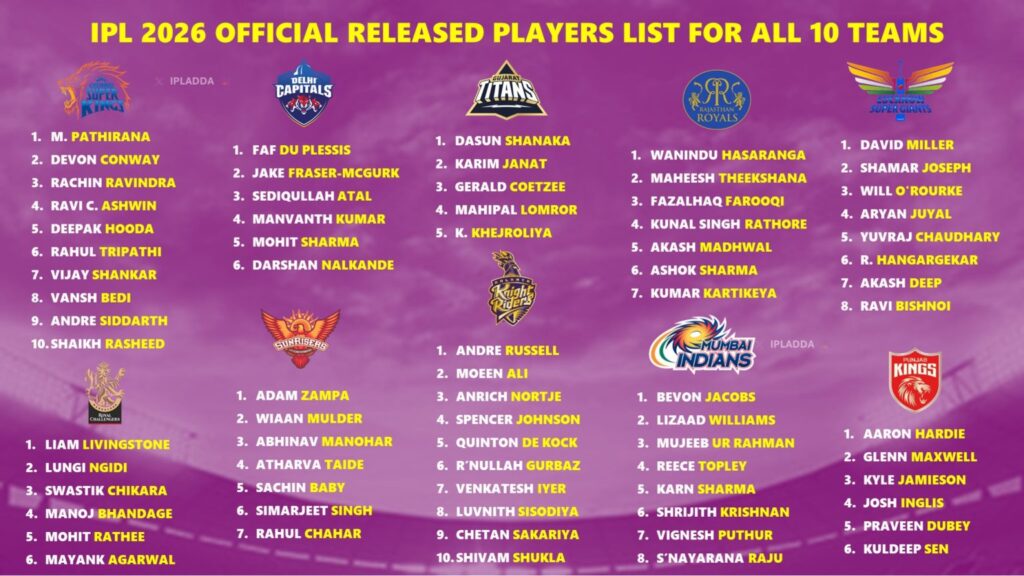
Introduction: The Stakes Are Higher Than Ever The Indian Premier League (IPL) has become more than a cricket tournament; it is a cultural phenomenon that blends high‑octane sport, entertainment, and massive commercial interests. As the 2026 season approaches, franchises have already reshaped their rosters, invested in state‑of‑the‑art analytics, and engaged in aggressive marketing campaigns. Fans, analysts, and bettors alike are eager to discern which team will break through the intense competition to claim the coveted trophy. This article dissects the key variables—squad composition, coaching expertise, home‑ground advantage, and emerging talent—to forecast the most likely champions of IPL 2026. Key Themes Shaping the 2026 Campaign 1. The Rise of Data‑Driven Decision‑Making Since the 2022 season, franchises have embraced advanced metrics, employing machine‑learning models to predict player performance under varying conditions. Teams that have integrated these insights into their recruitment and match‑day strategies are expected to have a tactical edge. The Melbourne‑based analytics firm “SpinScore” reported a 12% improvement in win probability for squads that utilized its AI‑driven line‑up optimizer in the 2025 season. 2. Player Rotation and Workload Management International commitments, IPL schedules, and domestic circuits have stretched player workload limits. Teams now prioritize rotation policies, ensuring that marquee players arrive fresh for the knockout stages. The Delhi Capitals, for example, introduced a “three‑game rest” protocol for pace bowlers, a move that paid dividends with reduced injury rates. 3. Impact of the New Playing Conditions The Board of Control for Cricket in India (BCCI) introduced slight alterations to ball specifications and pitch preparation guidelines for 2026. The new ball retains a marginally smoother seam, favoring swing bowlers in the early overs, while the pitch‑curation committee encourages more balanced surfaces that support both spin and pace. Adaptability to these conditions will be a decisive factor. Top Contenders: An In‑Depth Look Kolkata Knight Riders (KKR) Kolkata enters the season with a revitalized core. Captain Shreyas Iyer’s batting form has surged, averaging 58.2 in the last 12 innings across all formats. The addition of Australian fast bowler Pat Cummins (who signed a three‑year deal) strengthens the strike‑bowling unit, providing lethal early‑over threats. Moreover, KKR’s spin quartet—Rashid Khan, Yuzvendra Chahal, Sunil Narine, and a promising newcomer, Ruturaj Gaikwad—offers depth and variety. The franchise’s data team has reportedly refined a predictive model that optimizes death‑over bowling changes. Combined, these elements position KKR as a strong favorite for the title. Chennai Super Kings (CSK) Under the astute guidance of coach Stephen Fleming, CSK maintains a brand of consistency that few teams can match. The veteran duo of Mahendra Singh Dhoni (captain) and Ruturaj Singh (vice‑captain) continues to provide calm leadership. Their marquee signing of South African all‑rounder Lungi Ngidi adds pace depth, while the emergence of young fast bowler Umran Malik promises to make the most of the new ball’s swing potential. CSK’s loyalty to a core group, bolstered by strategic upgrades, makes them perennial threats. Mumbai Indians (MI) Following a comparatively subdued 2025 campaign, MI’s management embarked on a comprehensive overhaul. The franchise secured the services of England’s top order star Jos Buttler, a player renowned for explosive starts. Their bowling attack now features a blend of seasoned veterans like Jasprit Bumrah and a surprising acquisition—Afghanistan’s Rashidullah Zadran, whose googly has baffled batsmen worldwide. MI’s home ground, Wankhede Stadium, remains a fortress due to its small boundaries, a factor they will look to exploit aggressively. Rajasthan Royals (RR) RR’s strategic emphasis on nurturing Indian talent has started to bear fruit. Young left‑hander Yashasvi Jaiswal has lit up the middle order, while the fast bowler Arshdeep Singh has become a reliable new‑ball partner for Bumrah. Their big‑hitters—Rashid Khan and Jos Buttler (now also part of RR after a mid‑season trade)—provide firepower in the death overs. The Royals’ willingness to rotate their squad smartly, combined with a supportive fan base at Sawai Mansingh Stadium, could make them a dark‑horse champion. Dark Horses Worth Watching While the aforementioned teams dominate pre‑season chatter, two squads deserve attention as potential surprise packages. The Sunrisers Hyderabad (SRH) have invested heavily in a young spin contingent, including Indian prodigy Yash Dhull, who could become a match‑winner on turning tracks. Meanwhile, the Punjab Kings have recruited a trio of untested overseas pacers who could thrive in the new ball conditions if given regular opportunities. Both teams have the talent depth to upset the traditional powerhouses. Impact Players: Who Can Turn the Tide? Identifying singular talents capable of changing the course of the tournament is crucial for accurate predictions. Below are five players who could dictate outcomes for their respective teams: Pat Cummins (KKR) – With his lethal combination of speed, accuracy, and experience, Cummins can swing entire innings in KKR’s favour. Jos Buttler (MI/RR) – His ability to dominate the powerplay and accelerate in the death overs makes him a game‑changer. Rashid Khan (RR) – The master of variation can thwart any batting line‑up, especially in the middle overs. Umran Malik (CSK) – The fastest bowler in the league, his raw pace could exploit the new ball’s swing, delivering early breakthroughs. Yashasvi Jaiswal (RR) – A rising star whose composure under pressure provides stability at the top order. Home‑Ground Advantage: The Unquantifiable Edge Historical data shows that IPL teams enjoy a win percentage of approximately 65% at their primary venues. In 2026, the need to adapt to the new pitch dynamics amplifies this effect. For instance, KKR’s Eden Gardens has traditionally been a batting paradise, but recent efforts to retain more grass have made it conducive for seam movement. Conversely, the high altitude and thin air at Bengaluru’s M. Chinnaswamy Stadium favor fast bowlers, offering a tactical advantage for teams like CSK that field speed‑heavy line‑ups. Betting Landscape and Fan Engagement With the surge in sports‑betting platforms, fans are increasingly seeking reliable data to guide their wagers. Companies offering real‑time odds have incorporated machine learning to adjust lines based on player form, injuries, and venue statistics. As the season unfolds, monitoring these odds will provide insights into market sentiment and uncover emerging patterns

How to Win at Cricket Betting – Expert Strategies for Indian Players, My99exch, My99exch New ID
Cricket

How to Win at Cricket Betting – Expert Strategies for Indian Players 2024

Introduction: The Rise of Cricket Betting in India Cricket is more than a sport in India; it is a cultural phenomenon that drives massive viewership and passionate fan bases. With the liberalisation of online gambling and the proliferation of mobile betting platforms, cricket betting has surged in popularity across the sub‑continent. However, the excitement of wagering can quickly turn into disappointment if you rely on luck rather than strategy. This article outlines a comprehensive, expert‑level roadmap that Indian bettors can use to improve their odds, manage risk, and ultimately increase profitability when betting on cricket. Understanding the Betting Landscape Legal Framework and Responsible Gaming Before placing a single rupee, Indian players must be aware of the current legal environment. While nationwide legislation remains fragmented, many states permit online betting through licensed offshore operators that accept Indian rupees. Choosing a reputable and regulated platform safeguards your funds and ensures fair play. Moreover, responsible gaming principles—such as setting limits, tracking losses, and avoiding chasing—are essential for long‑term success. Choosing the Right Platform The betting exchange or sportsbook you select can influence both your returns and betting experience. Look for platforms offering competitive odds, a wide range of cricket markets (ODI, T20, Test, IPL, and domestic leagues), efficient cash‑out options, and robust customer support. For Indian users seeking a tailored experience, many operators provide dedicated Hindi interfaces and convenient deposit methods like UPI, Paytm, and net banking. Core Strategies for Winning Cricket Bets 1. Master the Types of Cricket Markets Cricket betting is not limited to simple match‑winner wagers. Understanding the breadth of markets gives you a strategic edge: Match Result (1X2) – Predicting which team wins or if there will be a tie. Top Batsman / Bowler – Betting on individual player performances. Innings Runs – Over/under totals for a team’s first or second innings. Man of the Match – Often influenced by player form and pitch conditions. Session Betting – Predicting runs scored in a specific session (e.g., Powerplay). Wicket Takers – Choosing bowlers likely to claim a certain number of wickets. By diversifying your wagers across these markets, you can exploit niche opportunities that bookmakers may undervalue. 2. Deep Dive into Pitch and Weather Analysis Cricket is uniquely affected by external factors. A dry, hard pitch favours batsmen, whereas a green top with moisture benefits seamers. Similarly, dew in evening matches can make the ball slippery for bowlers, aiding the batting side. Use official ground reports, historical data, and satellite weather forecasts to gauge how conditions will evolve over the 48‑hour match window. Key steps: Check recent matches at the venue for run‑rate trends. Identify the predominant bowling style (pace vs. spin) that has succeeded historically. Consider humidity and wind direction, which can swing the ball. This systematic approach lets you adjust your bets—like favouring a high‑scoring over/under if the pitch is a batting paradise. 3. Team Composition and Player Form Analyzing the playing XI is as crucial as studying the pitch. Look beyond star power and assess: Recent IPL or domestic league performances—players in form often carry that momentum into international matches. Injury updates and rotation policies, especially in congested calendars. Head‑to‑head records: some batsmen excel against specific bowlers or teams. For instance, if a premier fast bowler is out, the opposition’s top order may have a higher probability of posting a big total, influencing both the match‑winner odds and the total runs market. 4. Odds Comparison and Value Betting Value betting is the cornerstone of profitable gambling. It involves identifying odds that are higher than the true probability of an event. To accomplish this: Calculate the implied probability of the bookmaker’s odds using the formula: Implied % = (1 / decimal odds) × 100. Assess your own probability based on data (team strength, pitch, player form). If your estimated probability exceeds the implied probability, you have found a value bet. Regularly compare odds across multiple platforms to ensure you lock in the best possible price. 5. Bankroll Management – The Discipline That Wins No strategy compensates for reckless money handling. Adopt a disciplined bankroll plan: Allocate a dedicated betting bankroll separate from your personal finances. Bet a fixed percentage (typically 1%–3%) of your bankroll per wager, adjusting only when your bankroll grows or shrinks significantly. Avoid “all‑in” bets on high‑odds outcomes unless you have a compelling edge. By capping exposure, you survive losing streaks and remain in the game long enough for your statistical edge to materialise. 6. Leveraging Live Betting and In‑Play Opportunities Live betting, also known as in‑play wagering, allows you to place bets as the game unfolds. This dynamic environment offers several advantages: Real‑time information: You can react to early wickets, run‑rate spikes, or sudden weather changes. Odds drift: Bookmakers may lag in adjusting odds, creating temporary value. Cash‑out features: Secure profits or cut losses before the match concludes. Successful live bettors stay focused, have rapid decision‑making skills, and use a pre‑defined set of criteria to trigger bets. Advanced Analytical Tools for Indian Bettors Statistical Models and Predictive Software Professional gamblers often rely on quantitative models. You can build simple Excel‑based calculators that incorporate: Weighted player averages (batting strike rate, bowling economy). Venue‑specific coefficients (e.g., average first‑innings total). Recent form indices (last 5 matches). Alternatively, several Indian‑friendly platforms offer predictive dashboards that synthesize these variables, providing an edge over manual calculations. Community Insights and Tip‑Sharing Networks Engaging with seasoned bettors through forums, Telegram groups, or Discord can expose you to nuanced observations—like a bowler’s hidden injury or a team’s strategic shift. While community tips should never replace your own analysis, they can serve as a supplementary data point. Always verify any shared information before committing funds. Choosing a Trusted Betting Platform – A Practical Guide For Indian players, selecting an exchange that accommodates local payment methods and offers competitive odds is paramount. Platforms that support Indian rupees, provide Hindi language support, and process deposits instantly enhance the betting experience. A reputable operator also ensures transparent terms, swift withdrawals, and robust security protocols. To get

Best Cricket Betting Markets Available on My99Exch, My99exch, My99exch New ID
Cricket

Best Cricket Betting Markets Available on My99Exch – Complete 2026 Guide

Introduction Cricket betting has evolved from simple match‑winner wagers to a sophisticated ecosystem of niche markets that cater to every fan’s obsession. Whether you follow Test series, One‑Day Internationals, or the explosive T20 format, the right betting platform can turn your knowledge into profit. My99exch has positioned itself as a leading exchange for cricket enthusiasts, offering a rich menu of markets, competitive odds, and real‑time liquidity. This article examines the best cricket betting markets available on the platform, explains why they are popular, and provides practical tips to help you make informed decisions. Understanding the Landscape of Cricket Betting Before diving into specific markets, it is useful to grasp the broader structure of cricket wagering. Traditional bookmakers typically set fixed odds, while betting exchanges allow users to act as both backers (betting for an outcome) and layers (betting against an outcome). This peer‑to‑peer model often produces sharper prices and more flexible stake sizes. My99Exch leverages this exchange format, creating a dynamic marketplace where odds fluctuate based on supply and demand, and where users can hedge or close positions before a match concludes. Why Choose My99Exch for Cricket Betting? Several factors set My99Exch apart from conventional bookies: Depth of Liquidity: A large pool of active traders ensures that even niche markets remain viable. Transparent Pricing: All bets are displayed with clear commissions, allowing bettors to calculate true expected returns. Live In‑Play Flexibility: Users can adjust positions minute‑by‑minute as the game unfolds, capitalising on momentum shifts. Comprehensive Market Coverage: From standard match‑result odds to exotic session and player‑specific wagers. These strengths make the platform especially attractive for bettors who want to exploit micro‑edges and sophisticated strategies. Core Cricket Betting Markets 1. Match Result (Win/Loss/Draw) The most fundamental market remains the straight‑forward prediction of the match outcome. In Test cricket, the draw option adds an extra dimension, whereas ODIs and T20s are limited to win or loss. Sharp bettors often look at team form, pitch conditions, and toss impact before laying or backing a result. 2. Top Batsman (First, Second, Third, etc.) This market predicts which player will score the most runs in a given match. It rewards deep knowledge of batting line‑ups, recent form, and venue‑specific scoring trends. On My99Exch, the market is split into multiple tiers (first top scorer, second top scorer), allowing layered bets that increase potential payouts. 3. Top Bowler (Most Wickets) Parallel to the batting counterpart, bettors can wager on the bowler who will claim the highest wicket tally. Factors such as pitch assistance for seam or spin, bowler workload, and opposition weaknesses are critical in assessing value. 4. Innings Total Runs Here the market focuses on the aggregate runs scored in a specific innings. Operators provide over/under lines (e.g., over 250.5 runs). This market is especially popular in limited‑overs cricket where run rates are relatively predictable based on team strategy. 5. Player Performance – Runs/Boundaries/Strike Rate Betting exchanges often break down individual performance metrics: total runs, number of fours or sixes, and strike rate. These micro‑markets allow bettors to capitalise on a star player’s likely contribution, especially when a team’s top order is heavily reliant on a single batsman. 6. Session Betting (Powerplay, Middle Overs, Death Overs) In limited‑overs formats, the game is naturally segmented into phases. Session bets let you wager on runs scored or wickets taken within a defined block (e.g., Powerplay overs 1‑10). This granularity creates opportunities for those who track opening partnerships or death‑over specialists. Exotic Cricket Markets on My99Exch 7. Man of the Match (MOTM) The MOTM market rewards the player judged most influential in the match. While subjective, past patterns, player impact, and match context help identify likely candidates. This market often features higher odds due to its unpredictability. 8. Method of Dismissal Betting on how a particular batsman will be dismissed (caught, bowled, LBW, run‑out, etc.) adds a thrilling layer of speculation. Insight into a batsman’s strengths against specific bowlers or field placements can tilt the odds in your favour. 9. Over/Under Specific Over Runs Rather than total innings runs, you can bet on the number of runs scored in a particular over (e.g., Over 15 runs in the 13th over). This market is popular among bettors who track momentum swings, bowling changes, and field adjustments. 10. Partnership Runs This market predicts the total runs a batting pair will score together before one of them gets out. It rewards understanding of batting chemistry, match situation, and the likelihood of a set partnership lasting. Live Betting – The Real‑Time Edge My99Exch’s live betting interface provides a constantly updating order book for each market. As the ball is bowled, odds adjust to reflect new information: wickets, boundaries, and even weather interruptions. Skilled live bettors can place “lay” orders to profit from over‑optimistic “back” odds, or vice versa. Key live‑betting strategies include: Momentum Riding: Back a batting side as a partnership builds, then lay once the wicket falls. Value Lock‑In: Place a small back bet early in a session and hedge with a larger lay as the over/under line approaches. Arbitrage via Exchange: Exploit price disparities between the exchange and traditional sportsbook odds for quick guaranteed profit. Assessing Odds and Value Finding value is the cornerstone of profitable betting. On an exchange, the “mid‑price” – the average of the best back and best lay odds – serves as a benchmark. If you believe the true probability of an event is higher than the implied probability derived from the mid‑price, a back bet is justified; conversely, a lay bet is appropriate when you assess the implied probability as overstated. Use the following formula to convert odds to implied probability (for decimal odds): Implied Probability = 1 / Decimal Odds Compare this figure with your own statistical model or market research. Even a 1–2% edge can be significant when compounded over many wagers. Responsible Gambling Practices While the excitement of cricket betting can be alluring, responsible play should always be a priority. My99Exch offers tools such as deposit limits, session timers, and self‑exclusion options.

Scroll to Top